

Assess your knowledge of non-verbal communication for free. Choose your level, answer the questions and compare your result with the leaderboard.
10 questions to discover the basics of non-verbal communication.
9 questions to go further in reading body language.
10 questions for non-verbal connoisseurs.
0 of 10 questions completed
Questions:
Welcome to the beginner quiz.
You have already completed the quiz before. Hence you can not start it again.
Quiz is loading...
You must sign in or sign up to start the quiz.
You have to finish following quiz, to start this quiz:
Time has elapsed
You have reached 0 of 0 points, (0)
| Average score |
|
| Your score |
|
Continue with the intermediate quiz.
When people applaud (just by looking at the hands), is it possible to know which person is happier than the other ?
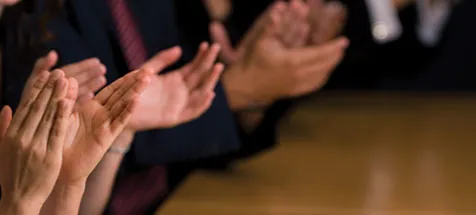
Again, this is it the notion of elefaction –
The more your hands are high, the more you are happy
1) Imagine 3 people applauding. One person has the hands below the waist, the other one at chest level and the last one with the hands over the head. The picture is convincing don’t you think?
Again, this is it the notion of elefaction –
The more your hands are high, the more you are happy
1) Imagine 3 people applauding. One person has the hands below the waist, the other one at chest level and the last one with the hands over the head. The picture is convincing don’t you think?
This kiss is given in a relaxation mode?

False
1) A real kiss (with freedom) is made to the left (both from left eyes), this kiss is on the right side.
2) These people are not spontaneous and are not relaxed
3) The fingers on the right hand are stresses (for both of them)
4) The lady is leaning backwards
False
1) A real kiss (with freedom) is made to the left (both from left eyes), this kiss is on the right side.
2) These people are not spontaneous and are not relaxed
3) The fingers on the right hand are stresses (for both of them)
4) The lady is leaning backwards
The monkey on the right is being suspicious ?
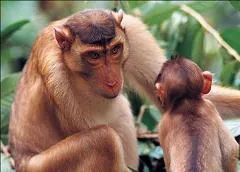
False
1-) It is the left side of the face that prevails. It means that the monkey is bonding with the other one.
2-) In fact, both monkeys are looking at each other with their left eye – in a relationship of wellbeing
False
1-) It is the left side of the face that prevails. It means that the monkey is bonding with the other one.
2-) In fact, both monkeys are looking at each other with their left eye – in a relationship of wellbeing
The two ladies are surely the most interested?

True
Their mouths are opened and they are bending towards what interests them.
True
Their mouths are opened and they are bending towards what interests them.
Which of these two peoples is the most dominant?
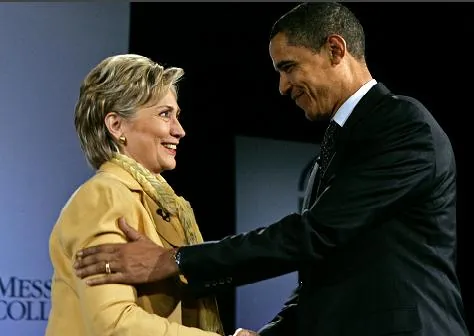
The man
1) He touches Hilary, therefore dominates her
2) In addition, his head is near Hillary’s
The man
1) He touches Hilary, therefore dominates her
2) In addition, his head is near Hillary’s
Which one is happier in this exchange?
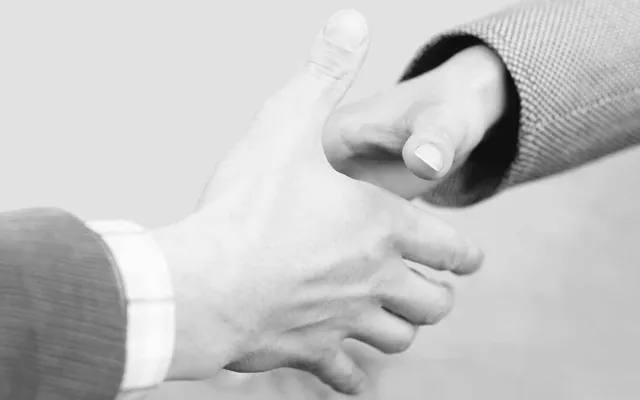
The man
1) His thumb is high which means that he joins the team, he is part of the team.
2) In addition, the man’s fingers are apart (they’re opened) sign of wellbeing.
The man’s hand is more opened (palm facing slightly upward)
The man
1) His thumb is high which means that he joins the team, he is part of the team.
2) In addition, the man’s fingers are apart (they’re opened) sign of wellbeing.
The man’s hand is more opened (palm facing slightly upward)
A worried person will probably have a vertical line between the two eyebrows?
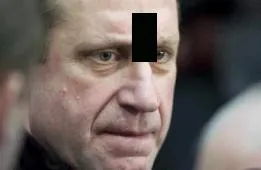
True
Simply, the person is devised in 2 having a mixed feeling and expressing worried thoughts.
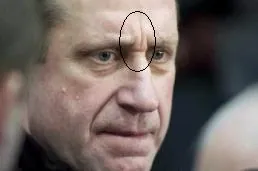
True
Simply, the person is devised in 2 having a mixed feeling and expressing worried thoughts.
While anger, the wrinkles are formed especially on the top of the face ?
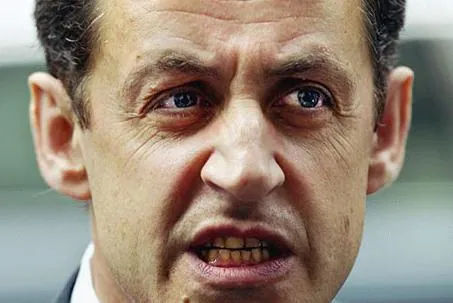
We can read the anger at the level of the eyebrows also at the mouth level – generally the bottom teeth are also visible.
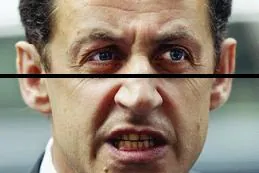
We can read the anger at the level of the eyebrows also at the mouth level – generally the bottom teeth are also visible.
When a dog meets friendly, his tail would stand more on his left ?
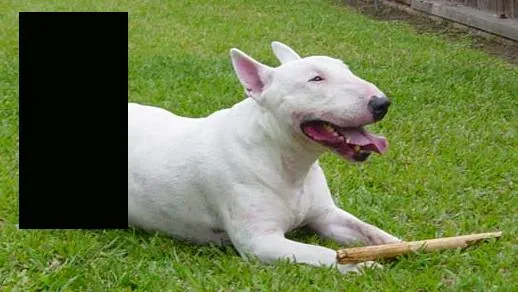
True, 87% more often.

True, 87% more often.
Real smile or fake smile ?
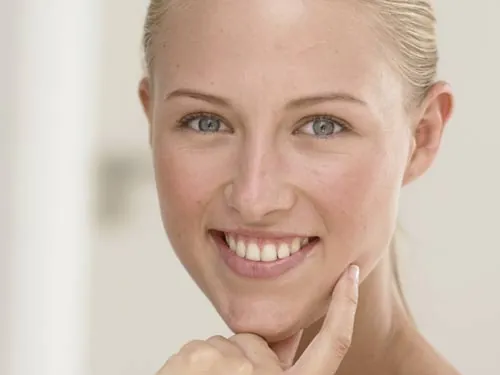
Yes, this is real smile – let’s find out why in the intermediate section
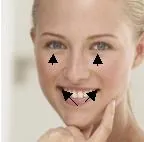
Yes, this is real smile – let’s find out why in the intermediate section
| Pos. | Name | Entered on | Points | Result |
|---|---|---|---|---|
| Table is loading | ||||
| No data available | ||||
0 of 9 questions completed
Questions:
Welcome to the intermediate quiz.
You have already completed the quiz before. Hence you can not start it again.
Quiz is loading...
You must sign in or sign up to start the quiz.
You have to finish following quiz, to start this quiz:
Time has elapsed
You have reached 0 of 0 points, (0)
| Average score |
|
| Your score |
|
Continue with our expert Quiz
Which of these two people is more comfortable within the situation and why?
Give 5 reasons.
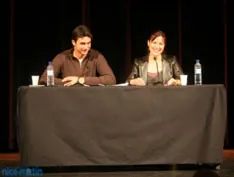
1-) Her smile is more pronounced (obvious fact) but also :
2-) The man protects himself more with his arms in front of his body
3-) The man’s head is bended (submissive) while the lady’s is straighter
4-) The lady’s head leans slightly on its left (sign of wellbeing)
5-) Both hands are visible and opened (less stress)
1-) Her smile is more pronounced (obvious fact) but also :
2-) The man protects himself more with his arms in front of his body
3-) The man’s head is bended (submissive) while the lady’s is straighter
4-) The lady’s head leans slightly on its left (sign of wellbeing)
5-) Both hands are visible and opened (less stress)
Is the person on the right preparing a lie?
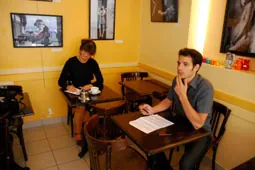
1) He is in microfixation mode – looking for a solution
2) The chin refers to hesitation
3) He looks at the bottom left, looking for an answer in his emotional past
4) He is well positioned at the center of his chair, showing a neutral position
1) He is in microfixation mode – looking for a solution
2) The chin refers to hesitation
3) He looks at the bottom left, looking for an answer in his emotional past
4) He is well positioned at the center of his chair, showing a neutral position
We can see that a person is well or not mainly because of the smile?
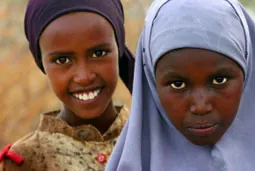
1) The person on the left is not showing a real smile but she is not presenting any signs of difficulty. A real smile would have shown high palpebral slits
2) The person on the right has a bottom sanpaku which represent difficulty, lacking self confidence, afraid of revealing things.
3) She also shows a lower sagittal axis (head leaned downwards).
1) The person on the left is not showing a real smile but she is not presenting any signs of difficulty. A real smile would have shown high palpebral slits
2) The person on the right has a bottom sanpaku which represent difficulty, lacking self confidence, afraid of revealing things.
3) She also shows a lower sagittal axis (head leaned downwards).
In this group, which person is the most vigilant ?
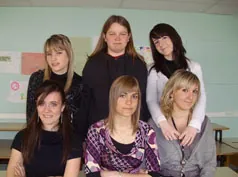
1) She is the one with the biggest rotary axis of the right eye
2) Also, her lips are most tightly closed. Along with the person in the middle)
3) Both of them hands are invisible
1) She is the one with the biggest rotary axis of the right eye
2) Also, her lips are most tightly closed. Along with the person in the middle)
3) Both of them hands are invisible
In this picture, which of the two men is more dominant?
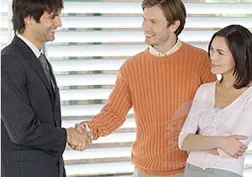
1) His hand dominates the other one (pronation and domination)
2) The man with the orange sweater is more opened with his right hand (the palm facing upward) – Sure he is distant a bit bur not dominant.
3) The head of the man in black tilts on the right, sign of control, rigidity
1) His hand dominates the other one (pronation and domination)
2) The man with the orange sweater is more opened with his right hand (the palm facing upward) – Sure he is distant a bit bur not dominant.
3) The head of the man in black tilts on the right, sign of control, rigidity
The person on the right seems to have a friendlier exchange?
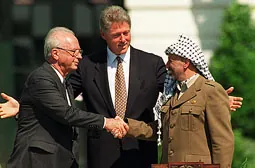
1) His palm is more opened, slightly upward.
2) The more the arm is extended, the more the person is distant – this is not the case of the person on the right
3) The person on the right is showing a real smile with the left eye, he is bonding
1) His palm is more opened, slightly upward.
2) The more the arm is extended, the more the person is distant – this is not the case of the person on the right
3) The person on the right is showing a real smile with the left eye, he is bonding
Is the person in the background enjoying more this moment than the other two?
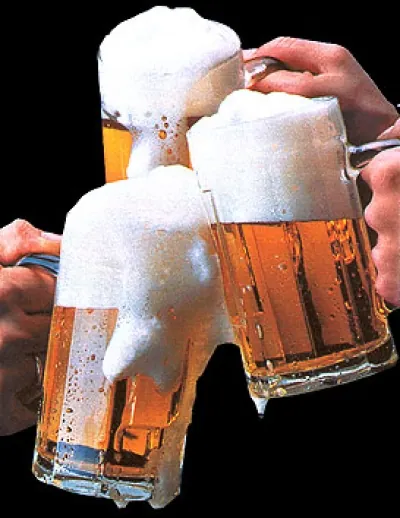
It is the notion of elefaction –
There is a strong correlation between the height and the satisfaction
(ele – vation + satis – faction = éléfaction)
The more the person raises the glass the more satisfaction there is.
I.e. when winning a competition – everyone has his hand up in the air
It is the notion of elefaction –
There is a strong correlation between the height and the satisfaction
(ele – vation + satis – faction = éléfaction)
The more the person raises the glass the more satisfaction there is.
I.e. when winning a competition – everyone has his hand up in the air
This person offers a fake smile?
Give 3 reasons.
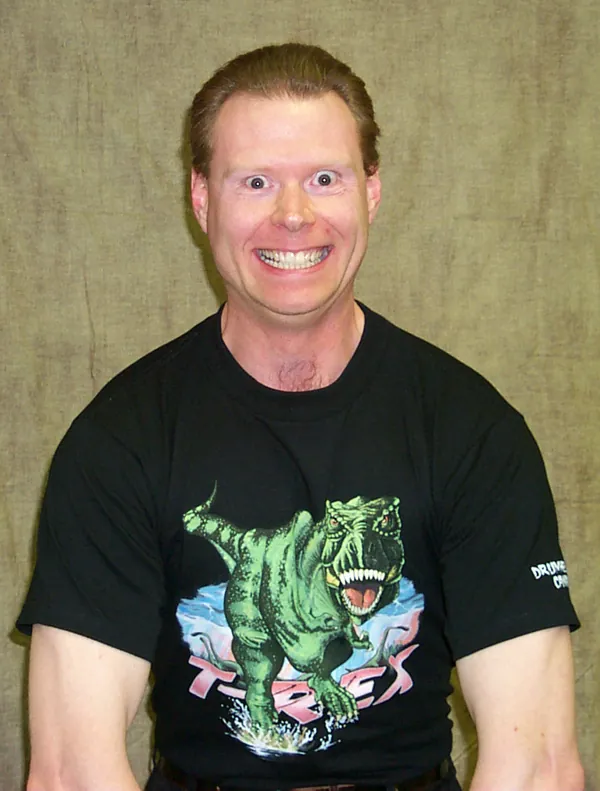
1) Only the mouth is smiling, the eyes are quite round
2) This man looks with his right eye, sign of rigidity
3) His body is hypertonic, in displeasure (very tended)
4) You can see the tension on his arm
1) Only the mouth is smiling, the eyes are quite round
2) This man looks with his right eye, sign of rigidity
3) His body is hypertonic, in displeasure (very tended)
4) You can see the tension on his arm
A person who speaks while using the right hand is more spontaneous?
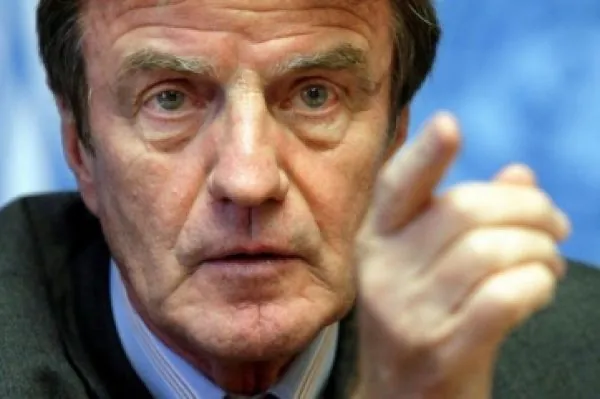
1-) A spontaneous attitude, is manifested with the left hand.
2-) Here, the mouth is small and breathes very little – rigidity and tension
3-) We can almost see a sanpaku (white bellow the eyes) at the bottom of the eyes – sign of discomfort
4-) Lips are white, again signs of discomfort
1-) A spontaneous attitude, is manifested with the left hand.
2-) Here, the mouth is small and breathes very little – rigidity and tension
3-) We can almost see a sanpaku (white bellow the eyes) at the bottom of the eyes – sign of discomfort
4-) Lips are white, again signs of discomfort
| Pos. | Name | Entered on | Points | Result |
|---|---|---|---|---|
| Table is loading | ||||
| No data available | ||||
0 of 10 questions completed
Questions:
Welcome to the expert quiz.
You have already completed the quiz before. Hence you can not start it again.
Quiz is loading...
You must sign in or sign up to start the quiz.
You have to finish following quiz, to start this quiz:
0 of 10 questions answered correctly
Time has elapsed
| Average score |
|
| Your score |
|
Congratulation!
This person is thinking of something which does not relate to her past and which in any event does not relate to her and makes her hesitant …
Give 7 reasons.

1) She looks at the top right which is the cognitive future
2) The stare on the right is the future…
3) When you look up, it is more related to cognitive and not personnel matters
4) The hand on the face (chin) is in a position of hesitation
5) She is sitting in an analytic position (back right side)
6) She is not showing any control (rigidity)
7) Finally, an opened mouth shows a state of wellbeing
1) She looks at the top right which is the cognitive future
2) The stare on the right is the future…
3) When you look up, it is more related to cognitive and not personnel matters
4) The hand on the face (chin) is in a position of hesitation
5) She is sitting in an analytic position (back right side)
6) She is not showing any control (rigidity)
7) Finally, an opened mouth shows a state of wellbeing
Is this person feeling well or feeling bad?
Give 5 reasons.
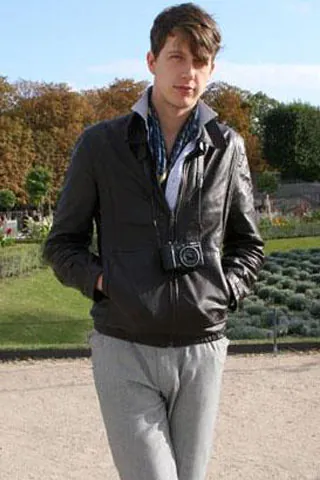
1-) This person looks with his right eye (thus, it is the left brain which process the information – the brain of calculation and vigilance).
2-) The hands are the visible part of the brain – i.e. when the hands are not visible, the person does not express himself openly.
3-) The arms are in pronation – strongly closed on the body (ref. to elbow)
4-) The right shoulder is stressed compared to the other one – the stress is hardly dissimulated.
5-) Finally, the legs are also in a closed posture.
1-) This person looks with his right eye (thus, it is the left brain which process the information – the brain of calculation and vigilance).
2-) The hands are the visible part of the brain – i.e. when the hands are not visible, the person does not express himself openly.
3-) The arms are in pronation – strongly closed on the body (ref. to elbow)
4-) The right shoulder is stressed compared to the other one – the stress is hardly dissimulated.
5-) Finally, the legs are also in a closed posture.
Is this person is offering a fake smile or a real smile ?
Give 5 reasons
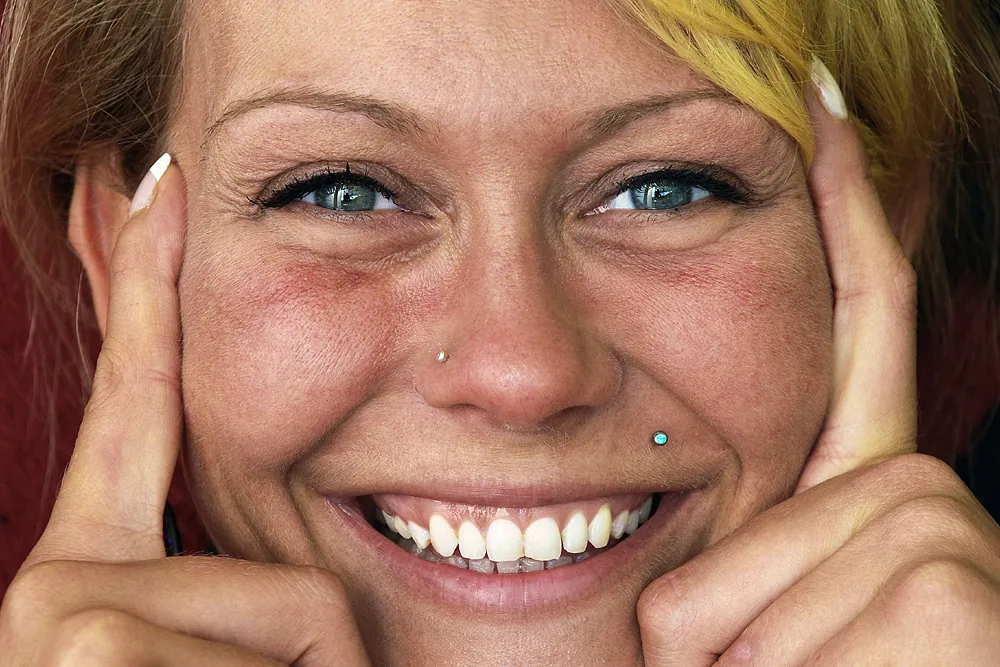
1-) The palpebral slits are high – the inferior eyelids are high.
2-) The smile enables us to see all the teeth.
3-) The mouth is wide opened
4-) The smile is very wide
5-) The lips are pulpy and colored
1-) The palpebral slits are high – the inferior eyelids are high.
2-) The smile enables us to see all the teeth.
3-) The mouth is wide opened
4-) The smile is very wide
5-) The lips are pulpy and colored
This person is opened and I certainly can believe him?
Give 5 reasons.
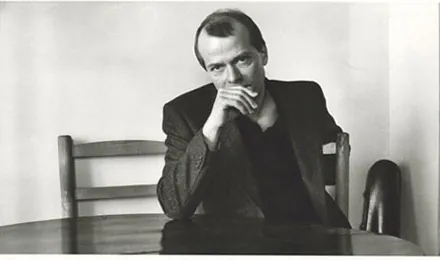
I should be vigilant
1) His head leans towards the right, which means that he is stressed and uptight.
2) The left arm / hand disappear completely, hiding personal aspect
3) With the hand in front of the mouth, he is holding back.
4) Sanpaku at the bottom of both eyes (we can see the white underneath the eyes), sign of discomfort
5) His position on the chair is SC5, stressed and controls speech
I should be vigilant
1) His head leans towards the right, which means that he is stressed and uptight.
2) The left arm / hand disappear completely, hiding personal aspect
3) With the hand in front of the mouth, he is holding back.
4) Sanpaku at the bottom of both eyes (we can see the white underneath the eyes), sign of discomfort
5) His position on the chair is SC5, stressed and controls speech
Are these two women good friends?
Given 5 reasons

1) The distance between them is too large
2) It is the right part of the face that is shown (control)
3) The head tilts on the right expressing control
4) Her left shoulder is in withdrawal, revealing a business situation
5) The left hand is almost invisible – sign of vigilance
1) The distance between them is too large
2) It is the right part of the face that is shown (control)
3) The head tilts on the right expressing control
4) Her left shoulder is in withdrawal, revealing a business situation
5) The left hand is almost invisible – sign of vigilance
If this person were speaking to me – would I easily believe him ; would he not lie to me and exaggerate his facts?
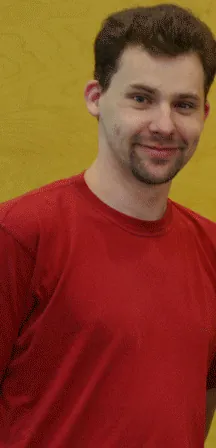
1) This person has an asymmetrical face, usually a sign of lies
2) The person looks with the right eye forward – sign of control
3-) His right eyebrow is elevated – sign of stress or lies. It could be an exaggeration of the facts.
4-) His hands are in the back – hiding something while communicating
5) His right shoulder is stressed (higher)
1) This person has an asymmetrical face, usually a sign of lies
2) The person looks with the right eye forward – sign of control
3-) His right eyebrow is elevated – sign of stress or lies. It could be an exaggeration of the facts.
4-) His hands are in the back – hiding something while communicating
5) His right shoulder is stressed (higher)
The person on the right side is the dominant person while the person on the left protects himself?
Give 4 reasons
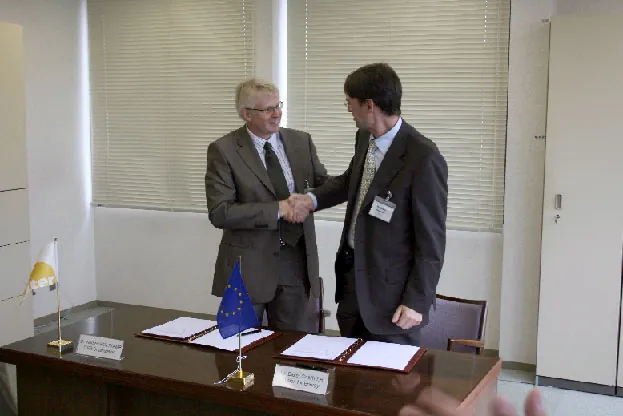
1) The person on the right is protecting himself with his right arm
2) The person on the left dominates the other one with his hand over his
By touching his interlocutor, this person wants to dominate the other
3) The person on the right looks with a lower sagittal axis – sign of difficulty
4) The person on the right has his left hand closed – sign of tension
1) The person on the right is protecting himself with his right arm
2) The person on the left dominates the other one with his hand over his
By touching his interlocutor, this person wants to dominate the other
3) The person on the right looks with a lower sagittal axis – sign of difficulty
4) The person on the right has his left hand closed – sign of tension
A person who looks at the bottom has cognitive thoughts?
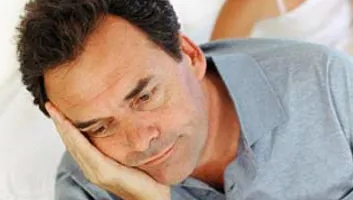
1 A person who looks at the bottom has emotional thoughts
2 The hand is in microcaressing mode – sign of comfort
3 The smile towards the left part of his face indicates that this person is in a state of wellbeing.
4 However, the eyes show sadness – therefore, mixed feelings.
1 A person who looks at the bottom has emotional thoughts
2 The hand is in microcaressing mode – sign of comfort
3 The smile towards the left part of his face indicates that this person is in a state of wellbeing.
4 However, the eyes show sadness – therefore, mixed feelings.
This person doing a real ‘cheers’ ?
Give 5 reasons

1 There is only a slight smile…
2 The person looks with her right eye forward – sign of closeness
3 The remainder of the smile is fake – the bottom of the eyes are not raised
4 The left shoulder is stressed – sign of emotional tension
5 In fact, while raising her glass with the right hand, the right shoulder should be higher
1 There is only a slight smile…
2 The person looks with her right eye forward – sign of closeness
3 The remainder of the smile is fake – the bottom of the eyes are not raised
4 The left shoulder is stressed – sign of emotional tension
5 In fact, while raising her glass with the right hand, the right shoulder should be higher
While reading the nonverbal communication – the right-handed or the left-handed people are considered as identical
– and thus without distinction – except the conscious gestures (i.e to move something)?
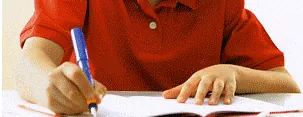
Most people would answer – False but :
The right-handed persons can easily communicate with the left hand when bonding
The left-handed persons can easily communicate with the right hand when they talk with authority or aggressively
During training with soldiers (troops), they are not surprised of this information. Yes, they have left-handed chiefs giving orders while communication strongly with the right hand !
Most people would answer – False but :
The right-handed persons can easily communicate with the left hand when bonding
The left-handed persons can easily communicate with the right hand when they talk with authority or aggressively
During training with soldiers (troops), they are not surprised of this information. Yes, they have left-handed chiefs giving orders while communication strongly with the right hand !
| Pos. | Name | Entered on | Points | Result |
|---|---|---|---|---|
| Table is loading | ||||
| No data available | ||||